5 mins
SELECTING A RIFLE SCOPE
Rifle scopes tend to be a polarizing subject. Why? Because of the vast price differences, you could spend anything from 100GBP to 5000GBP. On first inspection the cheaper options seem to do everything the expensive ones can so why not save yourself some money? Well maybe you can and you will be happy with the result, it really depends on context, explains Paul Bradley.
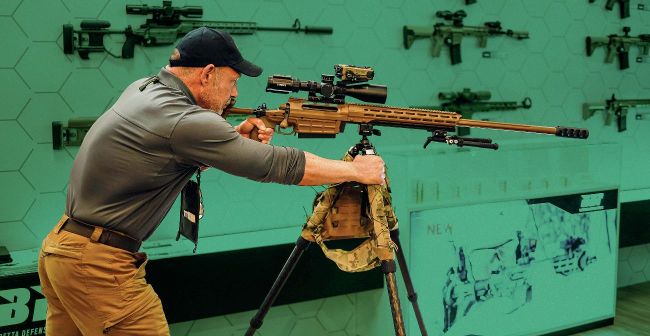
Firstly we should examine what rifle you plan to use and how you will use it. There is a world of difference between someone who shoots a few air rifle pellets in the back garden a few times a year and a pest controller or hunter. The former is likely a fair weather shooter and round count is comparatively low. The latter will be out in all conditions and is more likely to subject their equipment to rough treatment. If you have purchased a very cheap rifle scope the most you should expect from it is basic function in pleasant conditions. The materials may differ depending on price as will the engineering tolerances and levels of quality inspection. At price points below 100GBP it becomes increasingly likely the scope will lack the engineering tolerances required to achieve consistent, repeatable function, even for the hobbyist. Scopes rely on mechanical process to move the reticle in measured increments. If they cannot achieve even this they are worthless. I would also make the argument that optics in this ultra cheap bracket may not represent good value. If they break every year then in ten years time that has become a rather more expensive optic.
So I think it is fair to say I would avoid the extreme budget end of the market if at all possible. Buying a scope from wish.com is likely not going to end well! But if we are ready to put our hands a little deeper into our pockets there are some great options within the 200-500GBP category for air rifle shooters and rimfire enthusiasts. I stipulate those rifles due to recoil energy. As we increase recoil energy the demands on our optic increase dramatically. I would not expect to purchase scopes in this price range and sit them on a 338 Lapua Magnum chambered rifle. One small consideration on recoil which usually crops up regards air rifles is the different pulse generated by the springer. In days gone by the springer was considered to require a “special scope” due to its dual recoil pattern (both rearward and forward). The energy is still comparatively low and with modern manufacturing and materials this has become less of an issue in this price range. If your scope breaks down because you put it on a springer, that means it was just a really bad scope!
Air rifles and rimfires are also nice and light. With this in mind it would make little sense to mount a scope designed for heavier calibers because the scope will be more robust and thus a lot heavier. These scopes also need far less mechanical elevation so they can have a much smaller dimensional footprint. The selection of the right kind of optic gives a balanced system which retains its portability. I have seen a few people with more money that sense mount 5k optics on a garden plinker. The result is an overly top heavy system which has optical capabilities that will never be used. It may also lack the ability to adjust parallax down to sub 50ys making it unusable. If you have that kind of money then invest in an FAC application and buy a centrefire rifle to go with it!
Moving onto centrefire, some of the scopes in the mid range price category may still be suitable dependant on caliber. Virtually all the companies (including ultra budget ones) will say the optics are good for all calibers. This is rarely true. I have seen 338s and 50s eat a few scopes before dinner time. But if you are running a .224 or a .243 then you may not have to spend a fortune. We must also bare in mind the type of shooting we are doing. People get very excited about high magnification scopes which again will add weight. Be realistic about your situation. If you are a hunter and all your shots are within 300yds you do not need 50X mag! The higher the magnification the better the glass quality needs to be. If you dial up a high mag scope it will look pretty dark unless the glass and coatings are of extremely high quality. Glass quality also comes into play when we consider lighting conditions. If you shoot at dusk and dawn then a mid budget scope may lose you some animals. You just will not get a clear enough sight picture in low light.
So now we move to the higher end price point. This could be anything from 1000-5000k and probably represents the biggest price discrepancy among our groups. In theory all optics at this price range should be able to deal with any centrefire caliber. They should have been shaken, vibrated, dropped and handled thousands of rounds in product testing. Within this price range we generally find optics which have been developed especially for hunters or for Mil/Police use. They do have crossover, I see many Mil grade scopes used for target shooting but rarely the other way around. This is because scopes aimed seriously at the tactical market have generally been built to endure extreme environments and have the testing to back that up. The testing and over engineering certainly adds cost and these often sit at the highest price point. Again I would urge buyers to be honest with themselves. Do they need that ruggidity? If you have money to throw around then why not but it may not be necessary for the more cash conscious of us. All scopes at these price points are likely running really good glass and have consistent mechanical function due to increased engineering tolerances.
No matter what price point any scope can break or have faults which are not spotted at manufacture. Less so the more you spend but it is still possible. It is definitely worth looking at Warranty. Lifetime warrany used to be very common in high end optics. Now it pays to check before you buy. Warranties can be anything from a year to a lifetime. Some will only warranty manufacturer defect while you can even find scopes which the company will replace if you break them through misadventure or accident!
My final piece of advice would be to take advice from long term users. The shooting community is generally pretty friendly and people are happy to share info. Beware you are not tapping into rumours and aim to hear from people who have used the product themselves for extended periods. Ask to get hands on with one and see if it suits your needs.